The Rise of Chinese Cars: What It Means for UK Garages
Chinese car manufacturers have come a long way in a remarkably short period. While value for money remains one of their strongest selling points, the quality gap that once separated Chinese brands from established European, Japanese and Korean manufacturers has narrowed considerably.
Early Chinese entrants to the UK market were often criticised for poor interior quality, uninspiring driving dynamics and questionable safety credentials. Today's offerings tell a very different story. Modern Chinese-built EVs and plug-in hybrids combine competitive pricing with increasingly sophisticated technology, impressive equipment levels and build quality that many consumers now consider comparable to more established rivals.
Perhaps the most obvious success story is MG. When SAIC Motor acquired the remnants of the MG brand nearly two decades ago, few expected to see large numbers of new MGs on British roads again. Yet today, MG has become one of the UK's most recognisable EV brands, consistently appearing among the country's best-selling manufacturers.
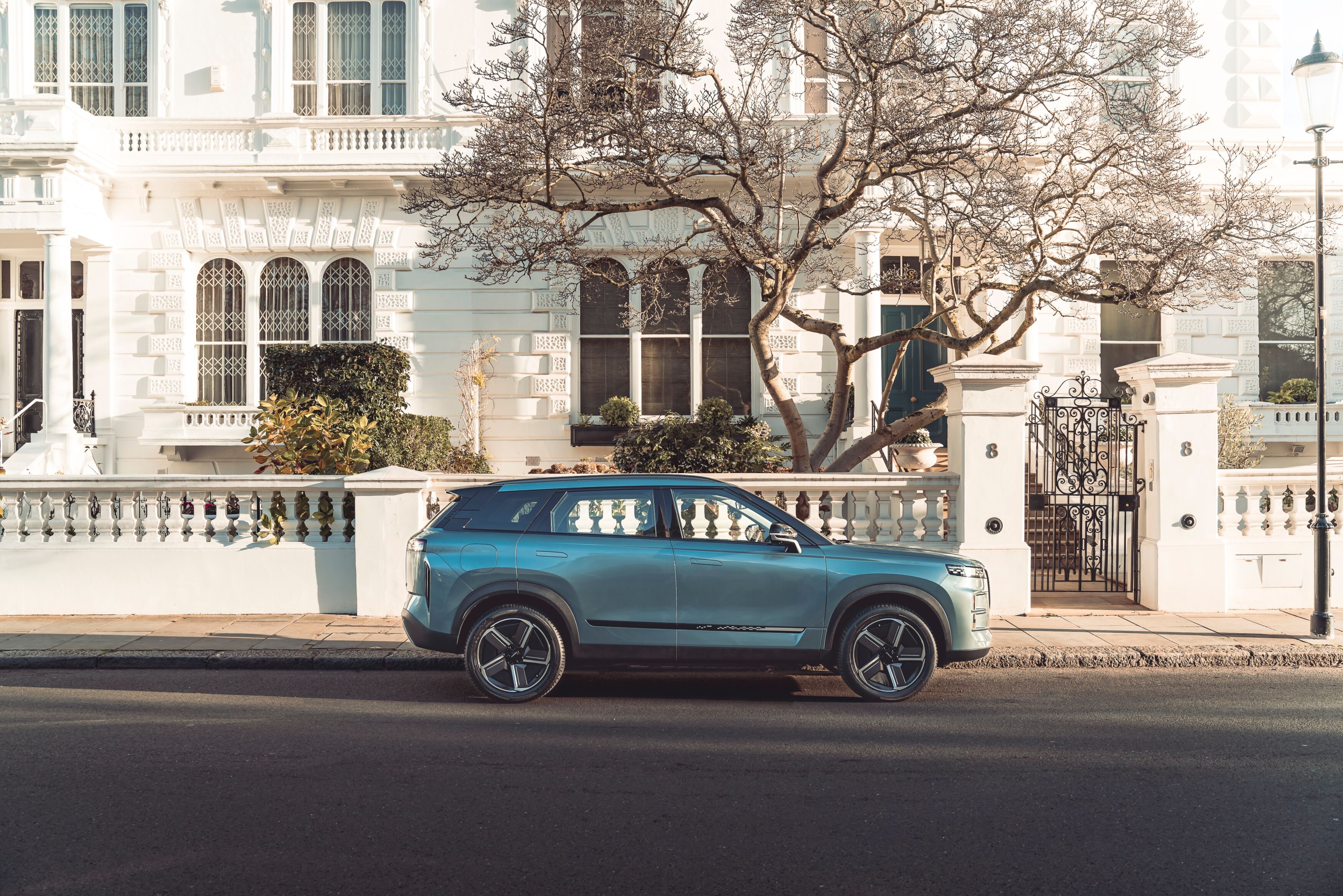
More recently, Chery-owned brands such as Jaecoo and Omoda have demonstrated just how quickly a new entrant can gain traction. The Jaecoo 7 has enjoyed significant success thanks to its combination of JLR-Esque styling, generous specification and aggressive pricing. What might once have taken a manufacturer a decade to achieve is now happening in a matter of years.
For many consumers and industry professionals alike, the structure of these emerging brands remains confusing. Parent companies such as Chery, SAIC, BYD and Geely often operate multiple sub-brands, each targeting different market segments. As these manufacturers continue to expand across Europe, it will take time for both motorists and the aftermarket to fully understand the relationships between the various brands, platforms and technologies entering the market. What is already clear, however, is that Chinese manufacturers are no longer fringe players. They are becoming a significant force within the UK automotive market, and their growing presence is likely to have far-reaching implications for independent garages and the wider aftermarket over the coming decade.
What does this mean for independent garages?
The rapid growth of Chinese manufacturers in the UK raises an important question for the aftermarket: what happens when these vehicles begin arriving at independent workshops in significant numbers? The first wave of Chinese-built EVs and plug-in hybrids entered the UK market several years ago, and many of those vehicles are now approaching the point where they will begin moving beyond manufacturer warranty periods.
While franchised dealers will continue to see a large proportion of servicing and repair work, independent garages are likely to encounter increasing numbers of MG, BYD, Omoda, Jaecoo and GWM vehicles over the coming years.
Historically, technicians have built their expertise around legacy brands such as Ford, Volkswagen, Vauxhall, BMW and Mercedes-Benz. The rise of Chinese manufacturers introduces an entirely new ecosystem of vehicles, technologies and repair procedures that many workshops have limited experience with.
Diagnostics Will Be Critical
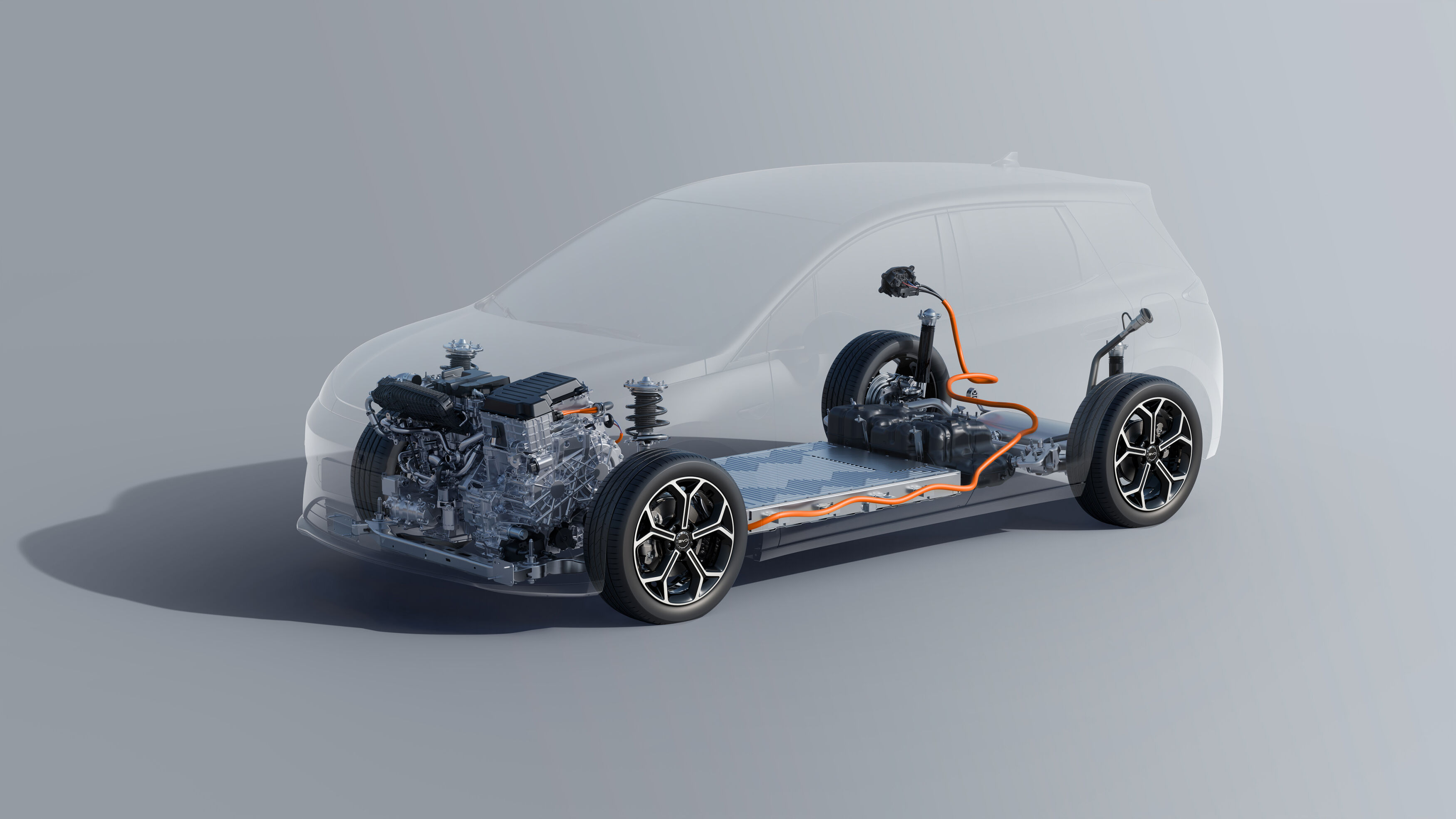
Perhaps the biggest challenge facing independent garages will not be mechanical repair, but diagnostics. Modern EVs and plug-in hybrids rely heavily on software, interconnected control units and advanced vehicle networks. While this trend is not unique to Chinese brands, many of these manufacturers use unfamiliar platforms and architectures that may not yet be fully supported by existing aftermarket diagnostic equipment.
Questions surrounding diagnostic coverage, security gateways, software updates and access to technical information are likely to become increasingly important. As vehicle numbers grow, aftermarket tool manufacturers will inevitably expand support, but there may be a period where workshops find themselves working with vehicles for which information and diagnostic capability remain limited.
For independent garages, investing in training and keeping diagnostic equipment up to date may prove just as important as investing in traditional workshop tools.
The Parts Challenge
Parts availability is another area that could shape the ownership experience of Chinese vehicles as they age. Today, many Chinese manufacturers operate relatively small dealer and distribution networks compared to established European brands.
While this may not present significant issues during the warranty period, repairers could face challenges sourcing certain components once vehicles enter the independent aftermarket. Long lead times, limited stock availability and a lack of aftermarket alternatives are all potential concerns. However, history suggests these challenges are unlikely to be permanent.
Similar questions were raised when Korean manufacturers first established themselves in Europe, yet today, aftermarket support for those vehicles is extensive.
An Opportunity for Remanufacturing
The growth of Chinese EVs and plug-in hybrids may also create significant opportunities within the remanufacturing sector. As these vehicles accumulate mileage, failures will inevitably emerge in complex electronic systems such as on-board chargers, DC-DC converters, battery management systems, ADAS modules and infotainment units.
Many of these components are expensive to replace and may have limited availability through traditional supply channels. For vehicle owners facing high replacement costs, remanufactured alternatives could provide an attractive solution. Likewise, garages equipped to identify and replace repaired electronic components may find themselves well-positioned to support an expanding vehicle population.
This is particularly relevant given the increasing complexity of modern vehicles. As electronic content continues to grow, the ability to repair rather than replace components is likely to become an increasingly valuable part of the aftermarket landscape. That, of course, is where our team at ACTRONICS come in.
The Next Skills Gap
The automotive industry has spent much of the last decade preparing for electrification. However, the arrival of Chinese manufacturers introduces another challenge: familiarity.
Technicians may already be trained to work safely on high-voltage systems, but understanding the specific operating strategies, software structures, and fault-finding procedures used by unfamiliar brands will require additional learning.
The garages that embrace this shift early may gain a significant advantage. Workshops that develop expertise in emerging Chinese brands could become the go-to repair centres in their local area, while those that wait may find themselves playing catch-up as vehicle numbers continue to grow.
Looking Ahead
Chinese manufacturers have already reshaped the UK's new car market. The question is no longer whether these brands will establish themselves, but how quickly their vehicles will become commonplace.
As the first generation of Chinese EVs and plug-in hybrids moves beyond warranty, garages are likely to face familiar challenges surrounding diagnostics, technical information and parts availability. Yet those same challenges also present opportunities.
For independent repairers willing to invest in training, equipment and technical expertise, the rise of Chinese manufacturers could represent one of the most significant developments in the aftermarket for many years to come.